
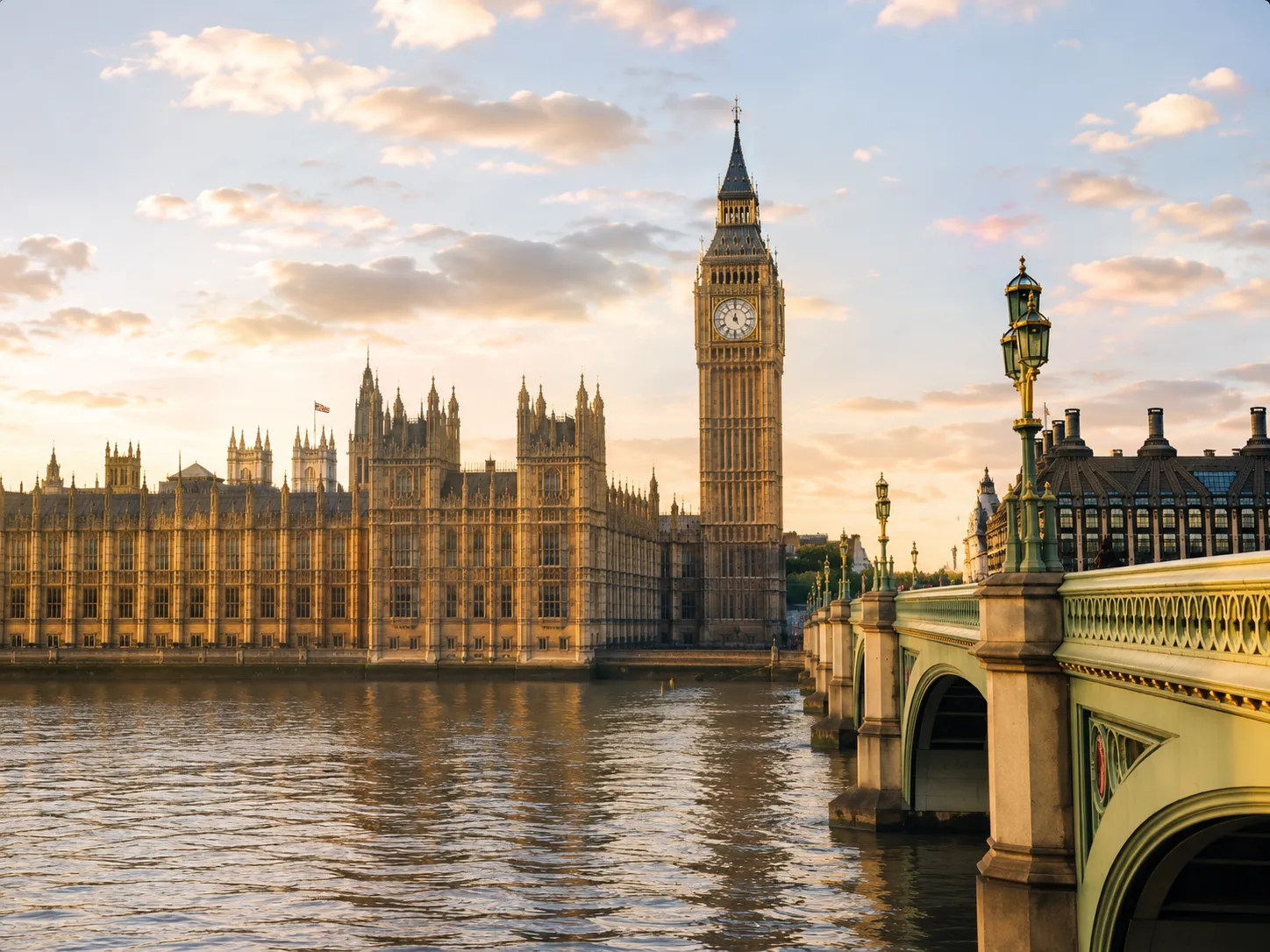
3-Day London Itinerary
A perfectly curated itinerary for first-time visitors who want to see the best of London.
View Itinerary →Expert itineraries, neighbourhood guides, and maps to help you experience London with confidence and clarity.

A little planning goes a long way. I’m here to help you make the most of every moment in London.
The Guide Guard
A perfectly curated itinerary for first-time visitors who want to see the best of London.
View Itinerary →
Explore the best neighbourhoods in London with local tips and curated recommendations.
Explore Neighbourhoods →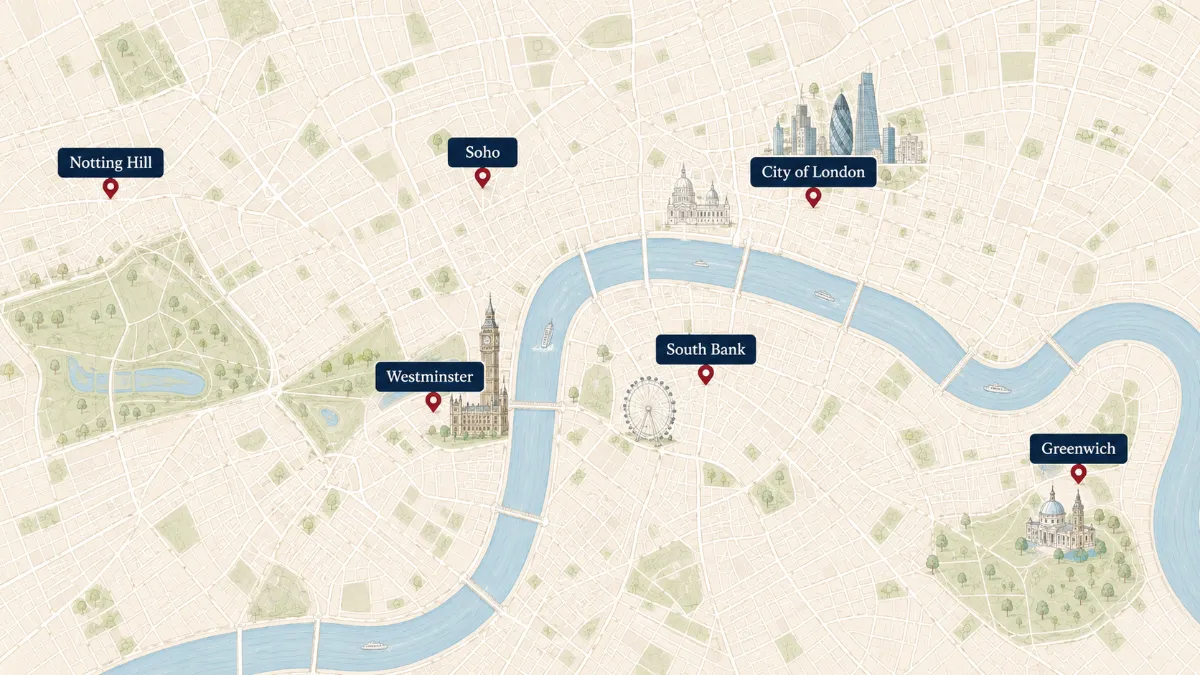
Custom map with top attractions, restaurants, hotels, and local favourites.
Open the Map →Discover neighbourhoods, top attractions, restaurants, hotels, and lesser-known corners. Plan your days with our custom interactive map.
Open The Interactive Map
London is one of the easiest big cities in the world to visit and one of the hardest to see well. The famous sights are spread across a huge metropolis, and the best neighbourhoods are often a short walk from the busiest streets. This guide puts the practical side in one place: which areas pair well, what to book ahead and where first-timers lose time, so less of your trip goes on logistics.
Everything here is free: day-by-day itineraries, neighbourhood guides, self-guided walks, an interactive map and downloadable PDF guides for visiting London for the first time.
A few simple habits make a first trip to London calmer, cheaper and far more enjoyable. These London travel tips cover the mistakes first-time visitors make most often.
The top sights cluster in areas: Westminster, the South Bank, the City, Bloomsbury and Kensington. Group each day around one or two and walk between sights instead of zig-zagging across town.
No paper ticket needed. Tap a bank card or phone on the Underground, buses and most trains. Fare caps mean you never pay more than a set amount.
Timed tickets for the Tower of London, the London Eye, Westminster Abbey and popular theatre shows sell out in busy months. Book a few weeks ahead.
The British Museum, National Gallery, Tate Modern, Natural History Museum and V&A are free to enter. Perfect for a wet afternoon.
London weather changes quickly, even in summer. Bring layers, a light waterproof jacket and shoes you can walk in all day, because London is best seen on foot.
On station escalators, stand on the right and walk on the left. It is the one rule Londoners really care about.
There are more things to do in London than any one trip can hold. These are the landmarks most visitors put at the top of their list.
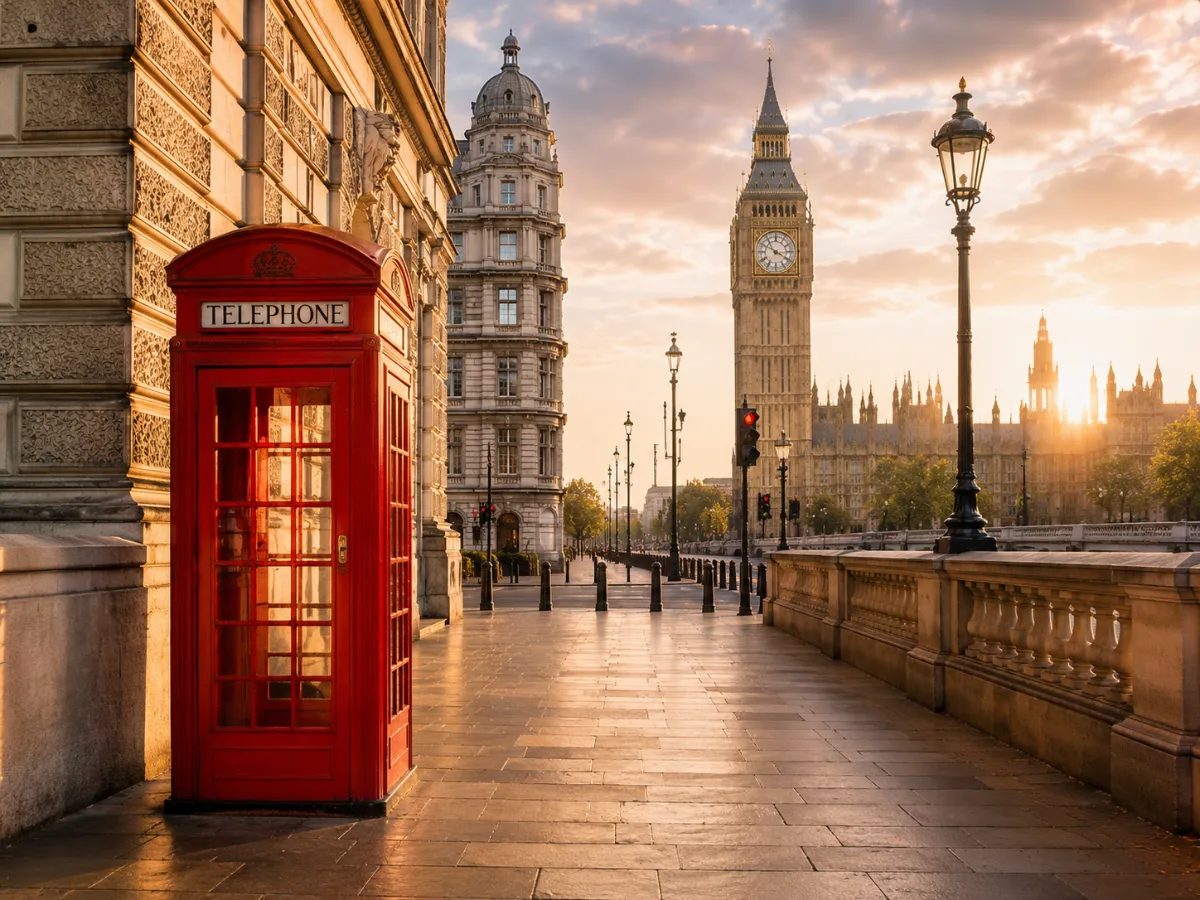
Royal LondonStart at Westminster Abbey, where monarchs have been crowned for almost a thousand years, then cross Parliament Square for Big Ben. It is a 15-minute walk through St James's Park to Buckingham Palace.
Westminster guide →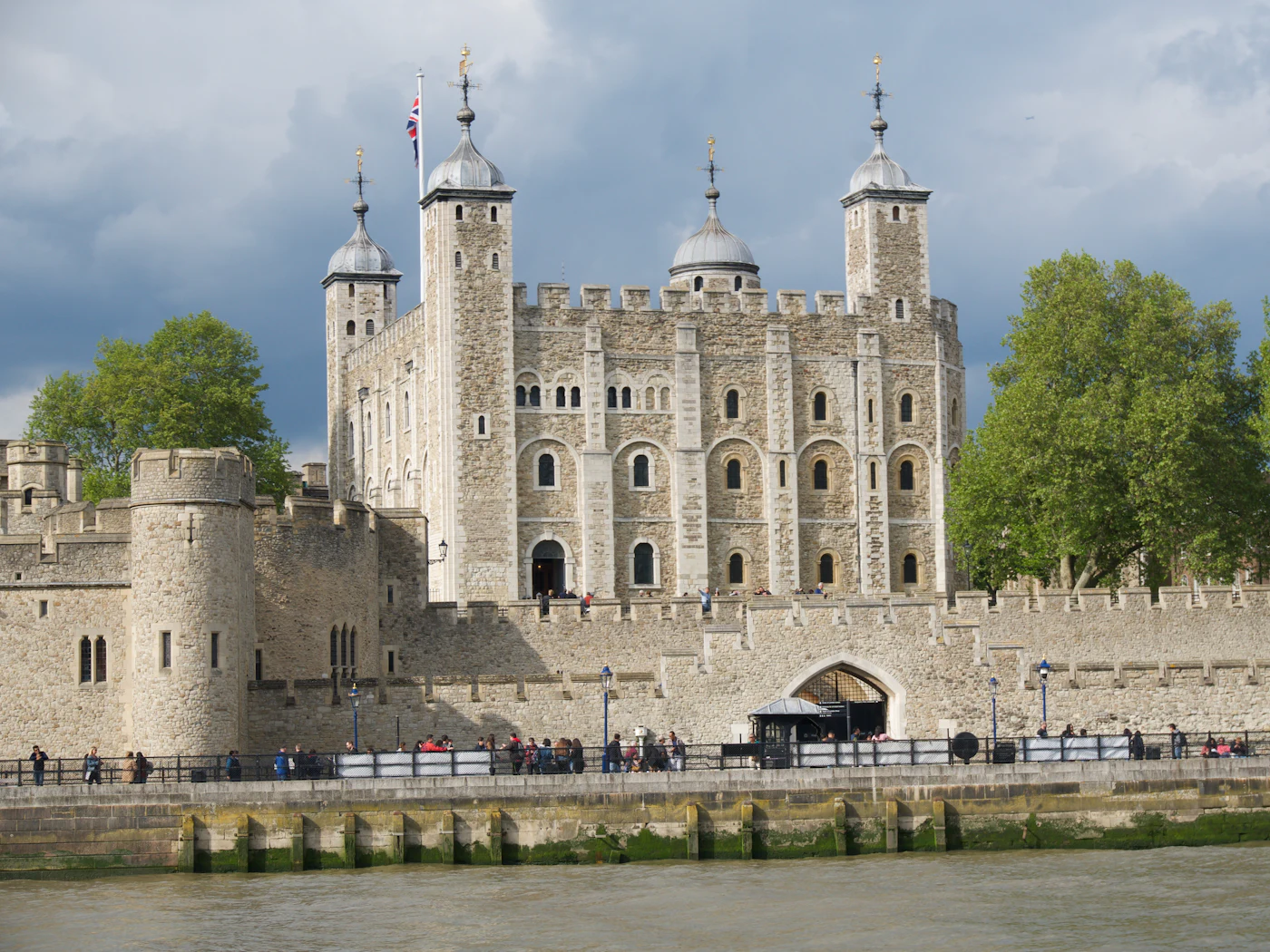 The City
Part royal palace, part fortress and home to the Crown Jewels. Arrive at opening time to beat the queues, then walk across Tower Bridge for views along the Thames.
See it in our 3-day plan →RiversideThe best riverside walk in town. Ride the London Eye for a 30-minute view over the rooftops, then follow the river past the Southbank Centre, Tate Modern and Shakespeare's Globe.
South Bank guide →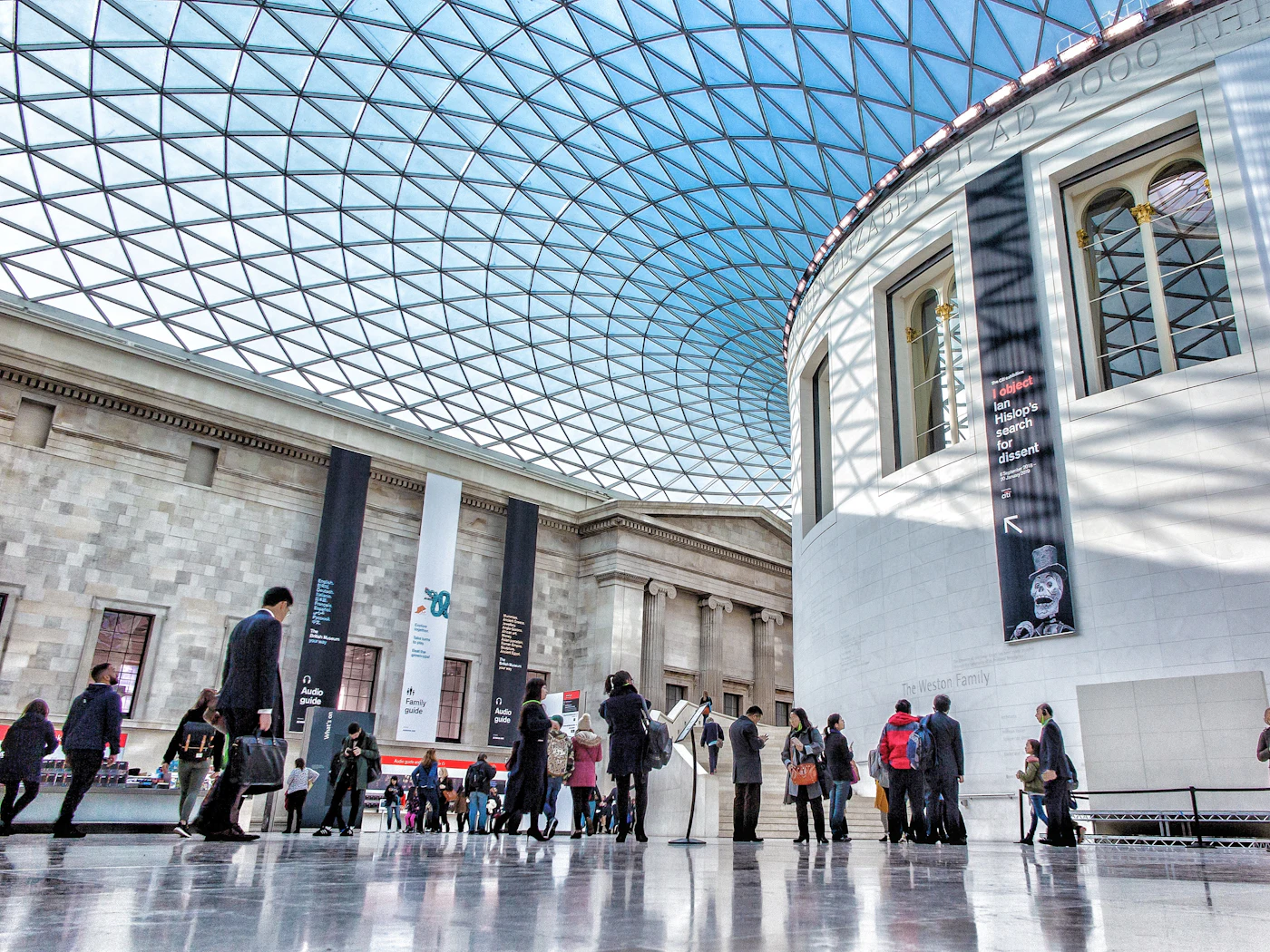 Bloomsbury
Two million years of human history under one roof, from the Rosetta Stone to the Parthenon sculptures. Entry is free. Pick a few galleries, or come on a Friday, when it stays open until 20:30 (book a free timed slot).
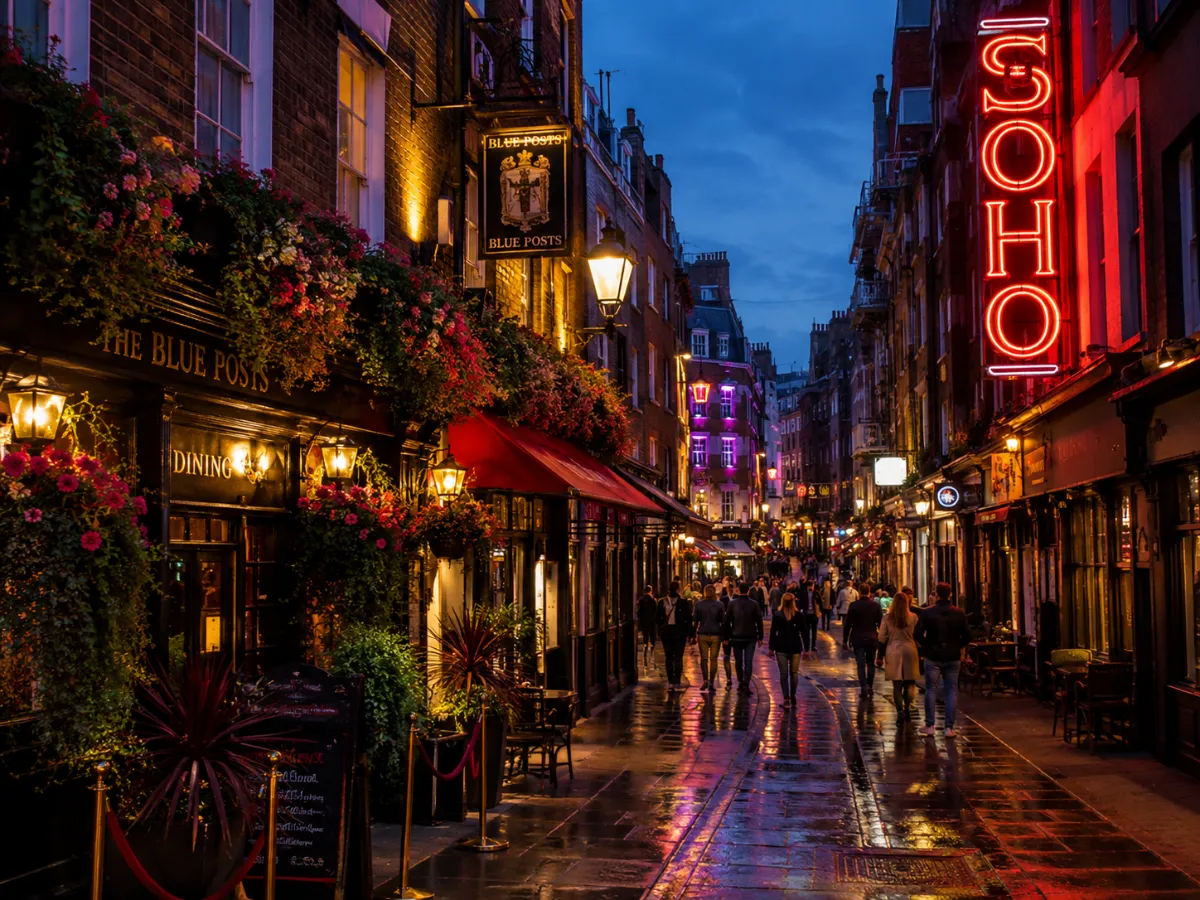
Plan your museum day →West EndStart at Trafalgar Square and the National Gallery, walk up to Piccadilly Circus for the famous lights, then into Soho and Covent Garden. In the evening, London theatre is the main event.
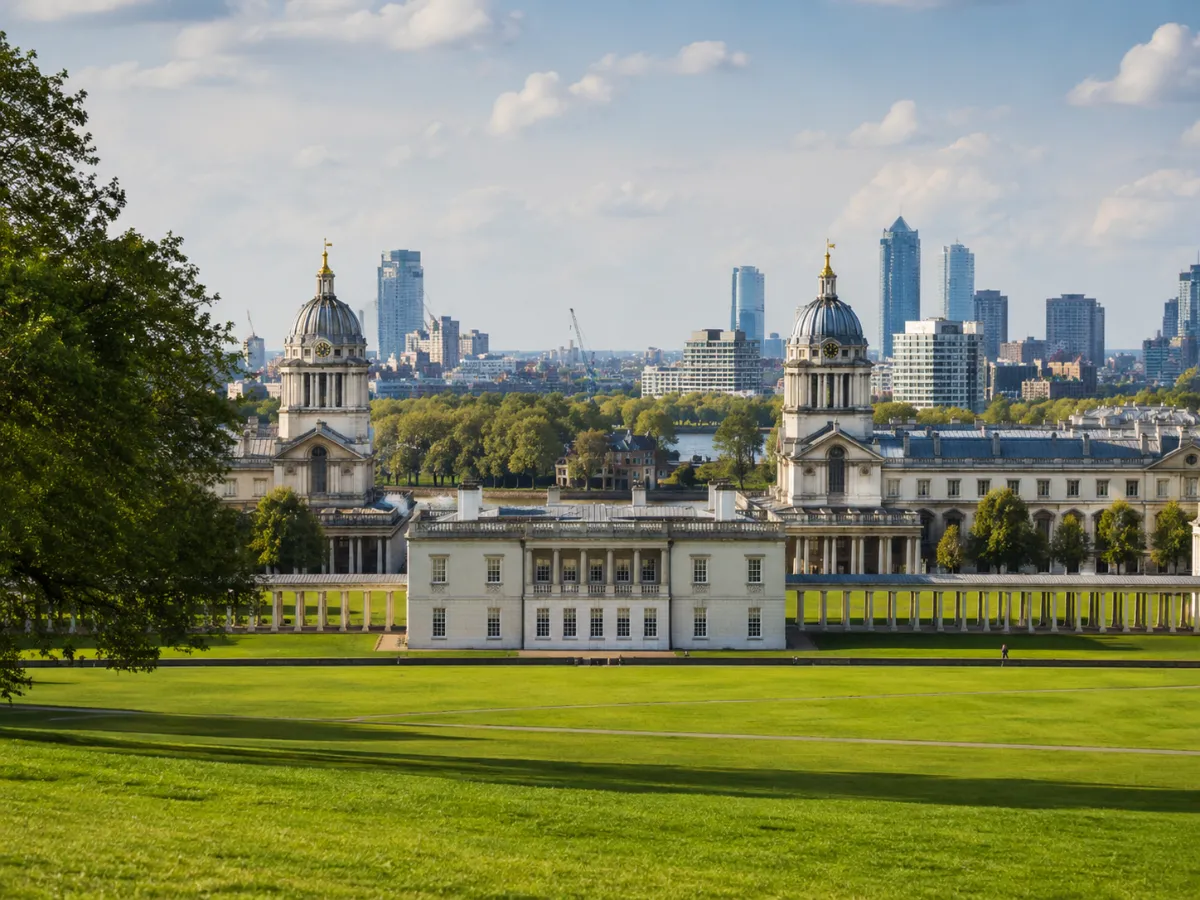
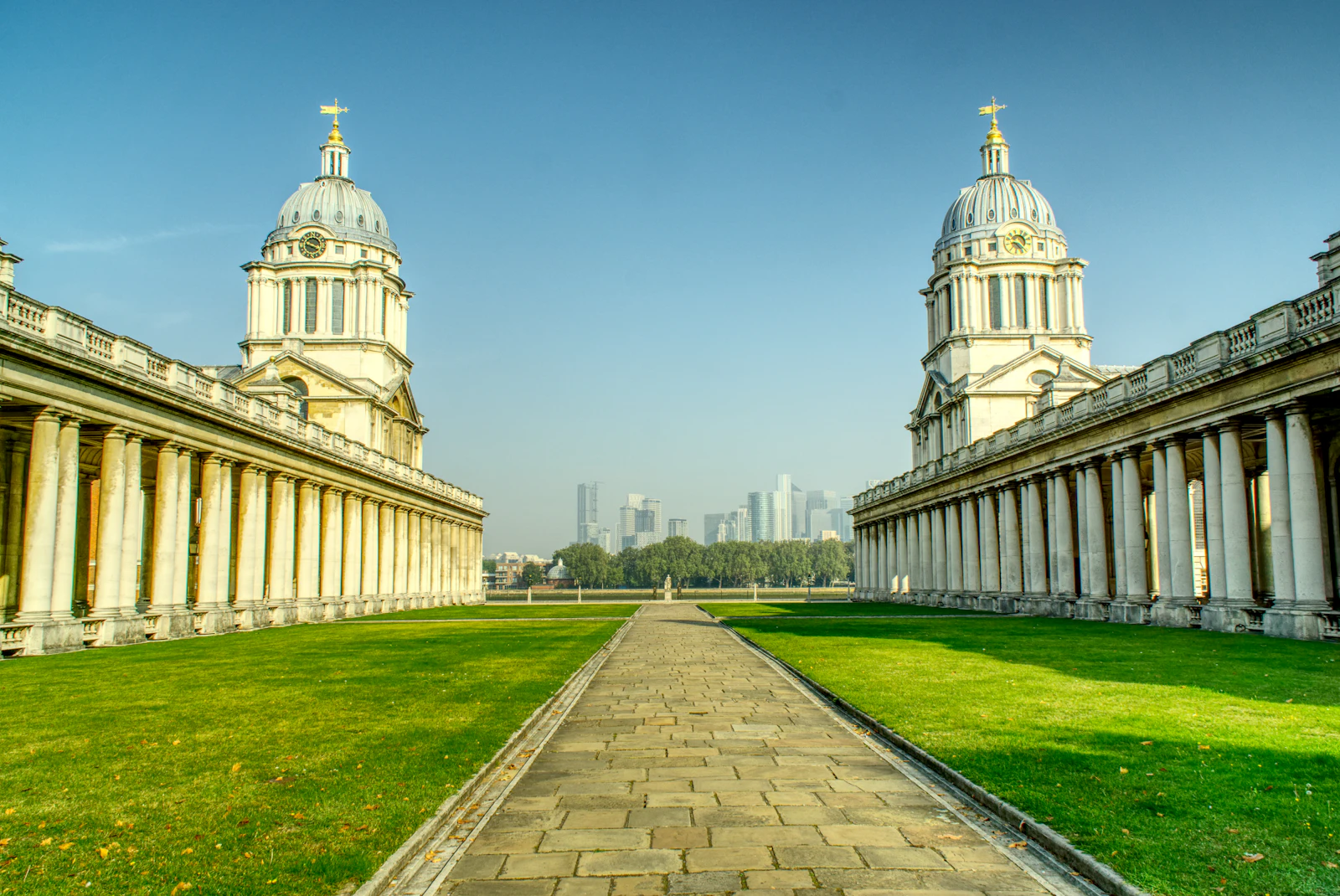
Soho guide →Local lifeWander Portobello Road in Notting Hill, eat your way around Borough Market, picnic in Hyde Park, or take a boat down the river to Greenwich and the Cutty Sark.
All neighbourhoods →Three days is enough to see the main sights of London at a comfortable pace. With four or five you can add an excursion, more museums and slower neighbourhood wandering. A week lets you see London properly and still visit Windsor, Oxford or Bath.
Compare London itineraries →Late spring (May and June) and early autumn (September) offer the best balance of mild weather, long days and smaller crowds. July and August are busiest and most expensive. December is cold but festive. London is a year-round destination: there is always something on.
For a first trip, choose a hotel in a central area with good transport links: Westminster, the South Bank, Covent Garden, Bloomsbury or Kensington. On a budget, stay a little further out on a direct Underground line, such as Paddington or King's Cross.
Compare the neighbourhoods →The Underground, known to everyone as the tube, is the fastest way to cross town. Buses are cheaper and let you see the streets, and walking is often quicker for short hops in the centre. River boats are a scenic way to travel along the Thames to the Tower and Greenwich.
Each day is built around a single area, so you spend your time exploring rather than commuting.
Don't try to see everything. London rewards the visitor who slows down: a long lunch in a pub, an hour in a park, a detour down a side street. The best plans leave room for London to surprise you.
Quick answers to what first-time visitors ask us most. For more, download the free London travel guides or open the interactive London map.
London can be expensive, especially for hotels, but many of its best attractions are free, including most major museums, the royal parks and the guard ceremony. Fare caps on public transport keep costs predictable.
London is generally safe for visitors. As in any big city, watch for pickpockets in crowded areas such as Oxford Street, Piccadilly Circus and on busy trains.
Very rarely. Almost everywhere in London accepts contactless card payments, including buses, markets and pubs.
Westminster, Covent Garden and the riverside are the best areas for a first visit, because the most famous sights are within walking distance of each other.
Free downloads. Expert tips. Thoughtfully designed.
Get Free Guides
Join our newsletter for insider tips, new guides, and seasonal recommendations.